Schools in Lesotho are strengthening agricultural production as part of efforts to improve food security, promote good nutrition and equip learners with practical farming skills.
The initiatives come at a time when His Majesty King Letsie III, in his capacity as African Union Champion for Nutrition, continues to urge chiefs and communities to advocate for good nutrition and sustainable food production.
In an interview with the Agency, Secretary and Agriculture Teacher at Khoro High School, Mr. Rethabile Sebele, said the school introduced agricultural production in 2022 with the aim of contributing towards the feeding of students.
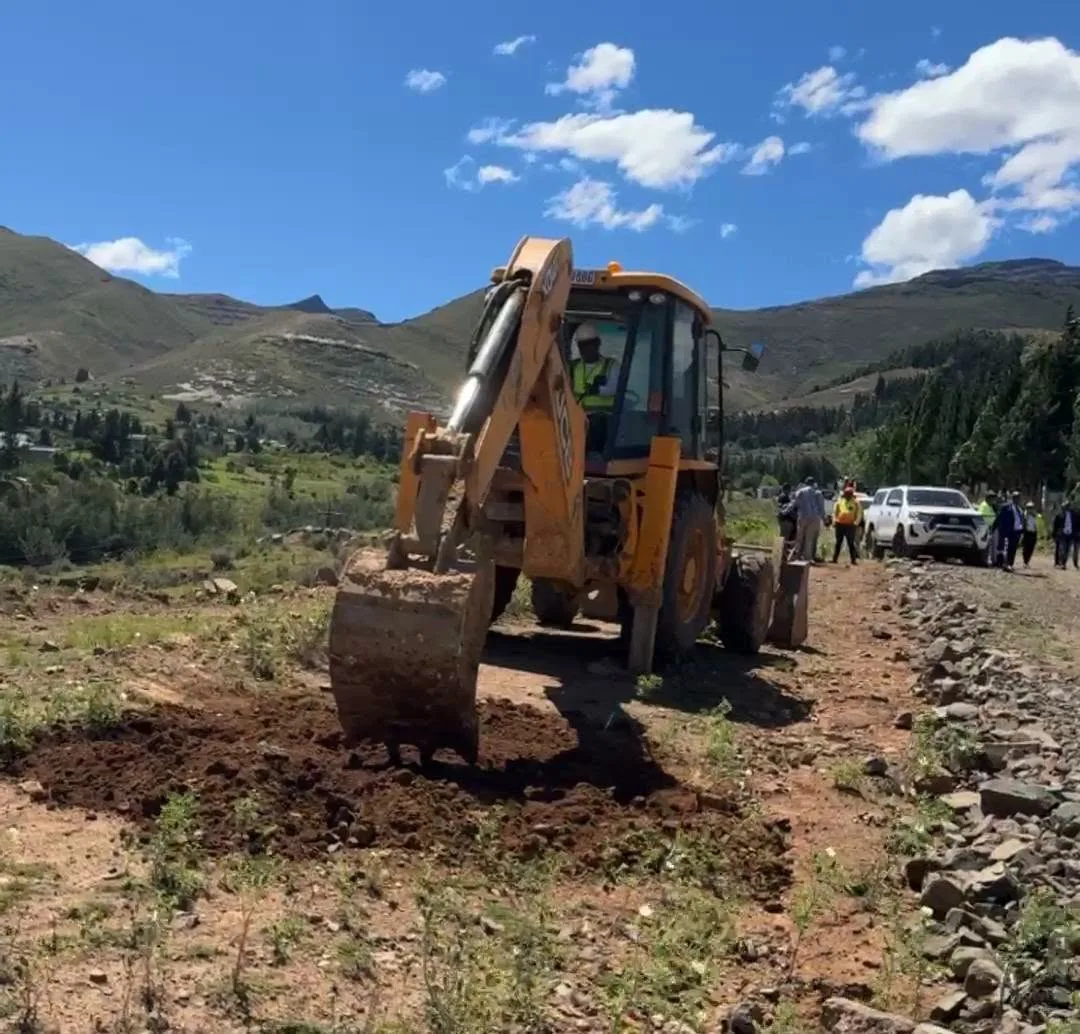
Mr. Sebele noted that production has improved over the years, prompting the school to expand its fields in 2026 in order to increase output.
He said agriculture is a compulsory subject at the school, allowing students to participate directly in farming activities as part of their practical learning.
According to him, the school’s agricultural projects help reduce expenses associated with purchasing food while ensuring that students have access to nutritious meals.
He indicated that the school produces grain crops, including maize, as well as vegetables that contribute to food security within the school.
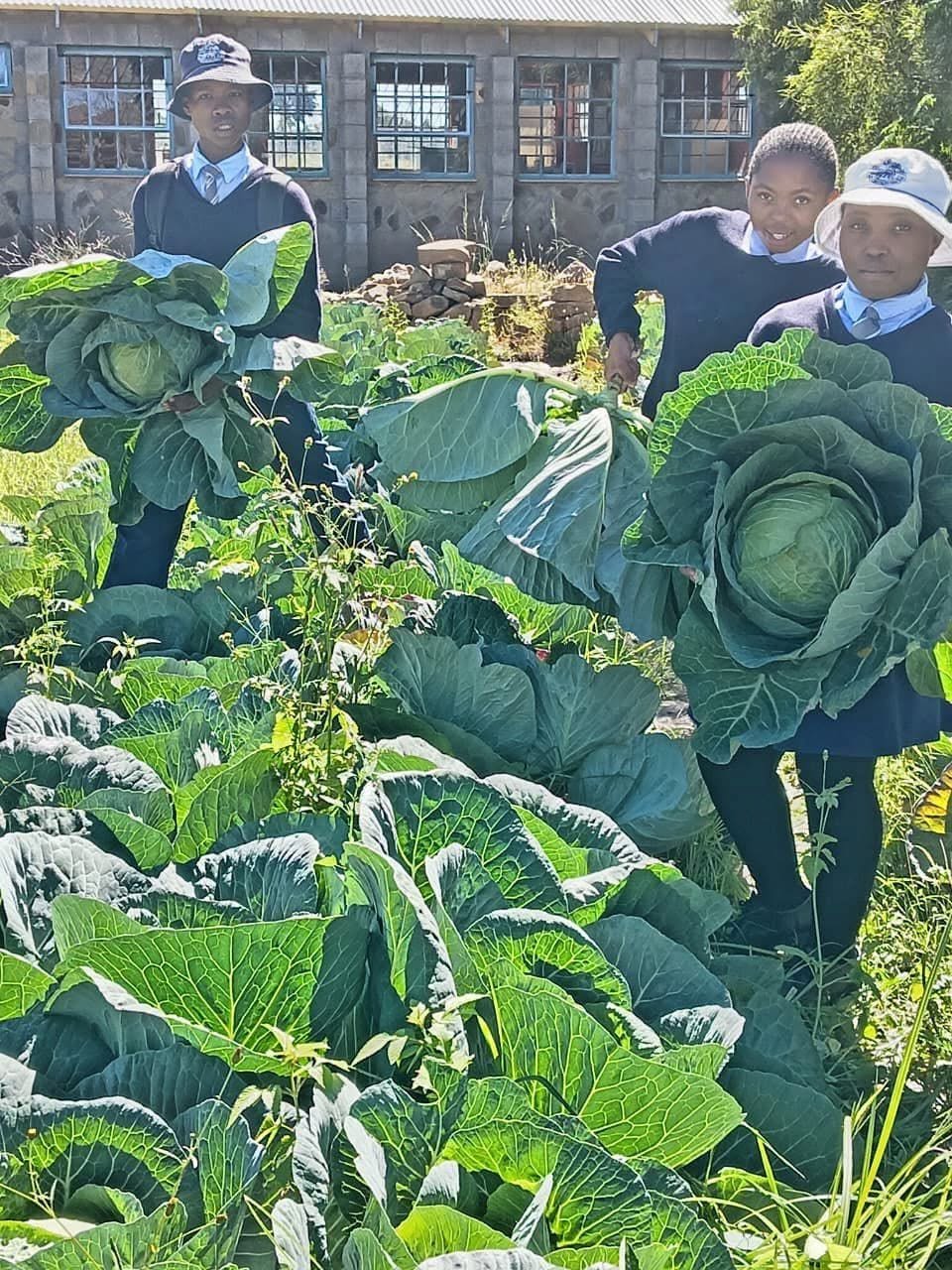
Meanwhile, Agriculture Teacher at Mafeteng High School, Mrs. Matšepiso Salemane, said the school produced maize and cabbage this year to provide students with hands-on agricultural experience.
She explained that the programme enables learners to apply classroom theory in practice while gaining a better understanding of food production and nutrition.
Mrs. Salemane said students are taught that not all food needs to be bought, as some products can be produced locally through farming.
She added that the school aims to increase production levels and eventually generate income through the sale of produce.
However, she highlighted challenges affecting agricultural production, including inadequate water supply, limited labour and insufficient financial resources.
Mrs. Salemane noted that water shortages sometimes affect crop production, while labour is largely dependent on students who are available only during the school calendar.
Agriculture forms part of the school curriculum in Lesotho, providing learners with an opportunity to acquire practical farming skills alongside classroom learning.
Stakeholders say school-based agriculture not only strengthens food security but also supports national efforts to promote good nutrition among children and communities.
Source: Lesotho News Agency [LENA]