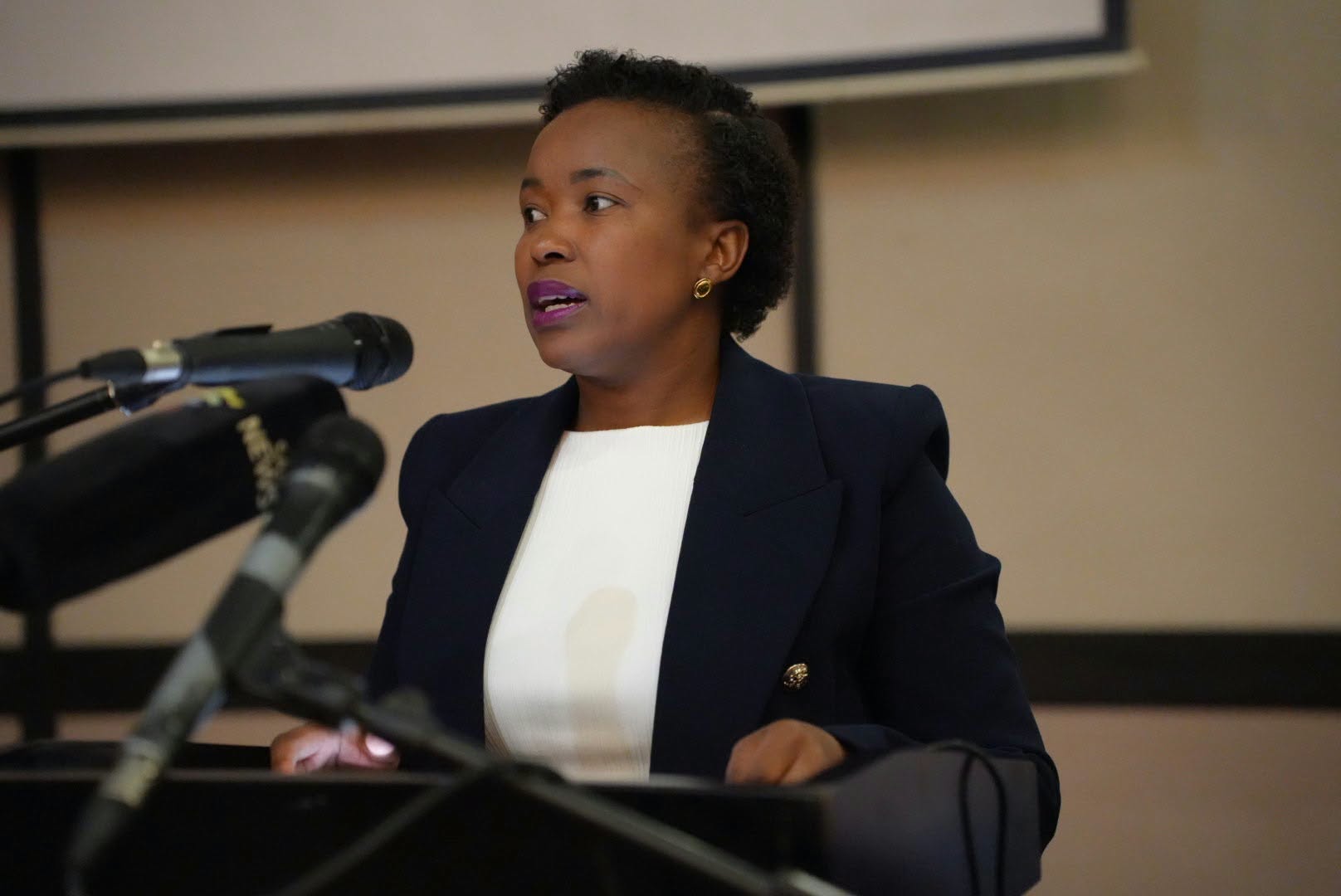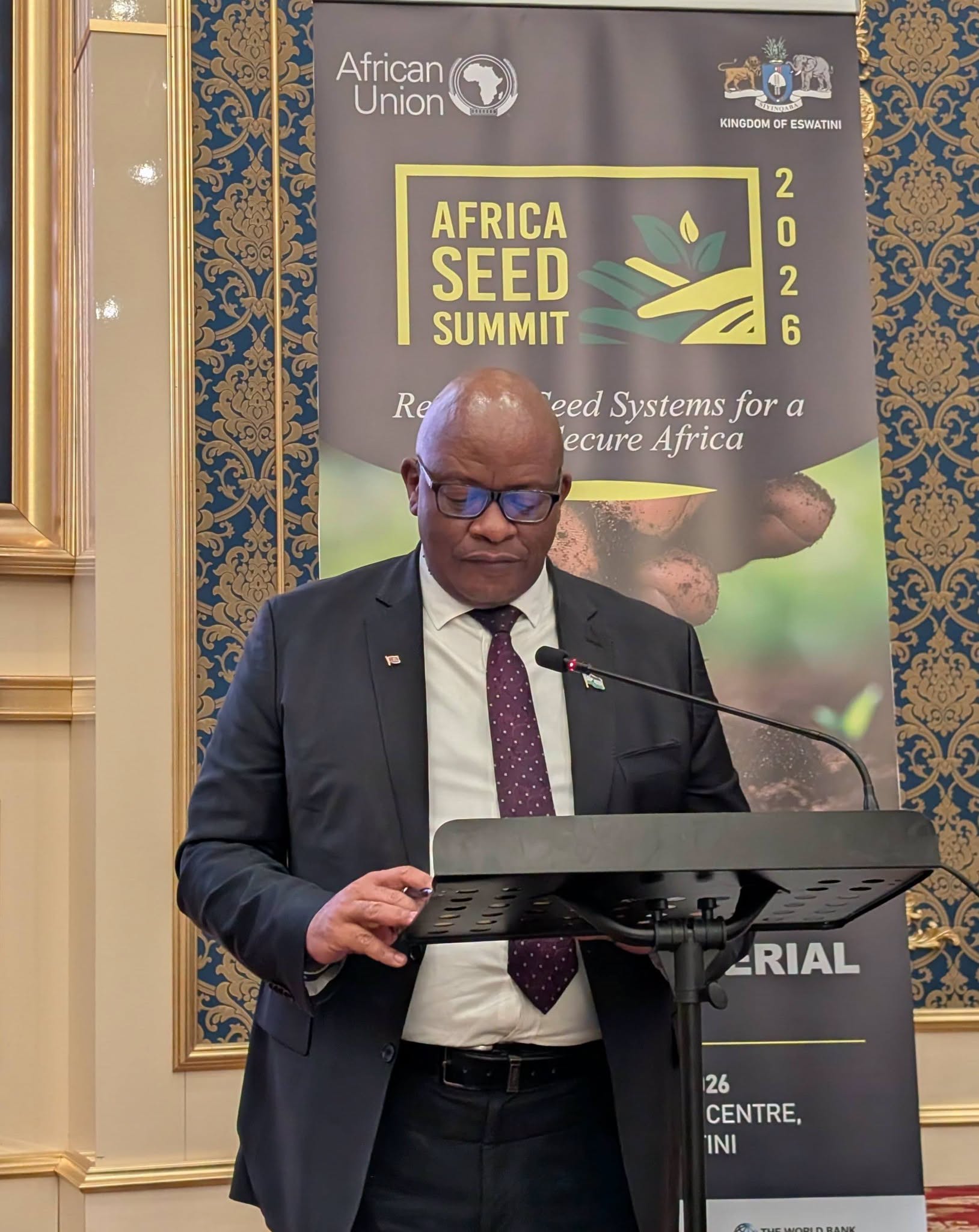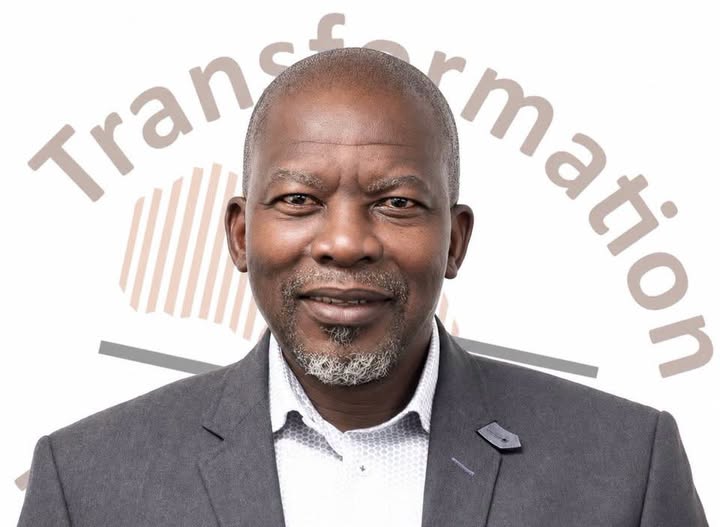
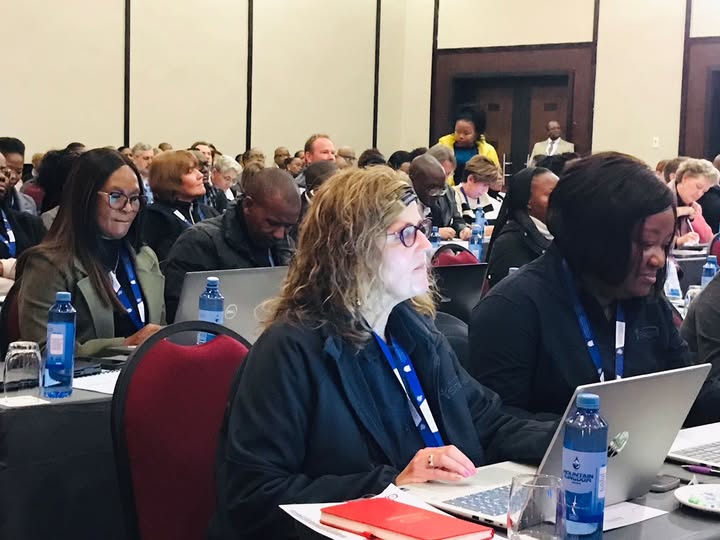
Education leaders, policymakers, researchers, and assessment experts from across Southern Africa gathered in Lesotho for the 15th Southern African Association for Educational Assessment (SAAEA) Conference, a landmark event focused on improving education systems in an era of rapid technological change.
Officially opened by the Minister of Education and Training, Professor Ntoi Rapapa, the conference brought together delegates from several countries to discuss the future of educational assessment, innovation, inclusion, and the impact of Artificial Intelligence (AI) on learning.
In his keynote address, Prof. Rapapa welcomed distinguished guests, government officials, traditional leaders, education professionals, and international partners.
He emphasized the importance of strengthening professional identity within the Ministry of Education, proposing the introduction of official blazers for ministry staff to promote unity, belonging, and professionalism.
The Minister also called for greater involvement of students, teachers, and school leaders in educational conferences.
He noted that students are often invited only for entertainment purposes and encouraged organizers to include student leaders, principals, and teachers as active participants in discussions and networking opportunities.
Chairperson of the Examinations Council of Lesotho (ECOL), Dr. Letzadzo Kometsi, welcomed delegates to the Kingdom of Lesotho and highlighted the conference theme of transforming education in a world shaped by digital technologies and AI.
He stressed that assessment must evolve beyond the administration of examinations and become a powerful tool for quality assurance, educational planning, and learner support.
Dr. Kometsi said education systems must become more inclusive and responsive to the diverse needs of learners while maintaining transparency, accountability, and credibility.
He described assessment as a strategic national asset that provides valuable evidence for improving educational outcomes.
The conference also explored the balance between innovation and quality in education. Delegates agreed that innovation without quality can create risks, while quality without innovation can lead to stagnation.
Participants emphasized the need for responsible innovation that maintains high standards while embracing new technologies.
Speaking on behalf of the SAAEA Executive, outgoing Chairperson Dr. Mandla Dlamini praised the dedication of examination board staff across the region. He noted that assessment institutions work throughout the year to ensure examinations remain fair, transparent, credible, and reliable.
Dr. Dlamini highlighted the importance of regional cooperation, saying partnerships among assessment bodies help strengthen confidence in educational qualifications across borders.
He encouraged delegates to share research, exchange experiences, and develop solutions to emerging challenges facing education systems.
The conference attracted representatives from countries including Eswatini, Zambia, Namibia, Malawi, South Africa, Tanzania, Botswana, and Zimbabwe. Over four days, participants will present research papers, engage in professional discussions, and explore innovative approaches to educational assessment.
As the conference continues, delegates are expected to examine the growing role of Artificial Intelligence in education and identify ways to ensure assessment systems remain relevant, inclusive, and effective in preparing learners for the future.
The event demonstrates Lesotho’s commitment to educational excellence and regional collaboration, reinforcing the country’s role in shaping the future of assessment and learning in Southern Africa.
Source: Lesotho News Agency [LENA]